Experimental Foundation
The BS Phase — Building the physical embodiment of autonomous observation
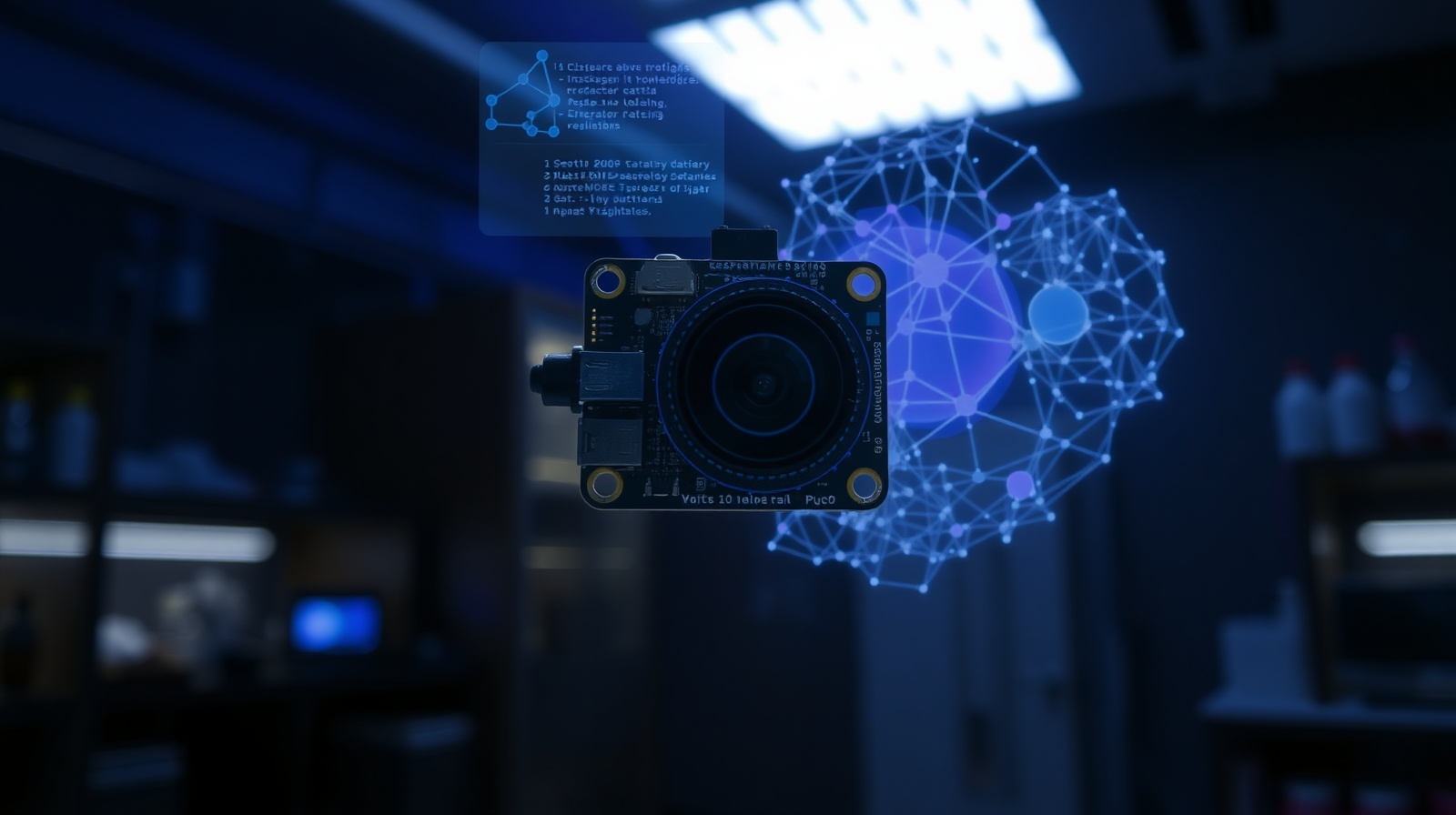
The BS Phase
Baseline System — Establishing the foundation
The BS (Baseline System) phase represents the foundational implementation of the LEARN architecture. This phase focuses on establishing the physical infrastructure and core data pipelines that will support autonomous scientific observation.
Using Raspberry Pi cameras as the primary sensory organs, we're creating a distributed network of observation nodes throughout the laboratory. Each node continuously captures visual and environmental data, feeding into a centralized time-series database that forms the system's memory.
This phase is critical because it establishes the embodied presence of the system — transforming LEARN from a conceptual framework into a physically realized autonomous observer.
Implementation Phases
A systematic approach to building the autonomous observation system
Hardware Setup
Deploying Raspberry Pi camera modules throughout the laboratory environment, establishing continuous visual monitoring infrastructure.
Data Pipeline
Building the time-series database and data ingestion pipeline to capture, store, and organize all sensory observations.
Model Development
Creating interpretive models that can predict environmental states and measure residual approximation errors.
Integration & Learning
Connecting all layers into a unified autonomous system capable of continuous scientific observation and learning.
Technical Specifications
The hardware foundation of autonomous observation
Raspberry Pi 4 Model B
Central processing unit for each observation node, running computer vision and data processing workloads.
Pi Camera Module v2
8-megapixel camera with autofocus capability, providing high-resolution visual data streams.
Environmental Sensors
Temperature, humidity, and ambient light sensors providing contextual metadata for visual observations.
Edge Computing
Local processing capability ensures real-time analysis without依赖 cloud connectivity.
Raspberry Pi Vision
Computer vision as the eyes of autonomous science
Visual Observation
The Raspberry Pi camera modules serve as the primary sensory organs of the LEARN system. Unlike traditional laboratory instruments that measure specific physical quantities, these cameras provide rich, contextual visual data that captures the full complexity of the laboratory environment.
Computer vision algorithms process this visual stream, identifying patterns, tracking changes, and detecting anomalies that might escape human notice during routine observation.
Temporal Analysis
By maintaining continuous visual records, the system can perform temporal analysis — comparing current states with historical patterns to identify trends, cycles, and unexpected deviations.
This temporal perspective transforms isolated observations into a coherent narrative of the laboratory's evolution over time.
Follow the Research
Track the progress of the BS phase and read detailed research logs in The Continuum.